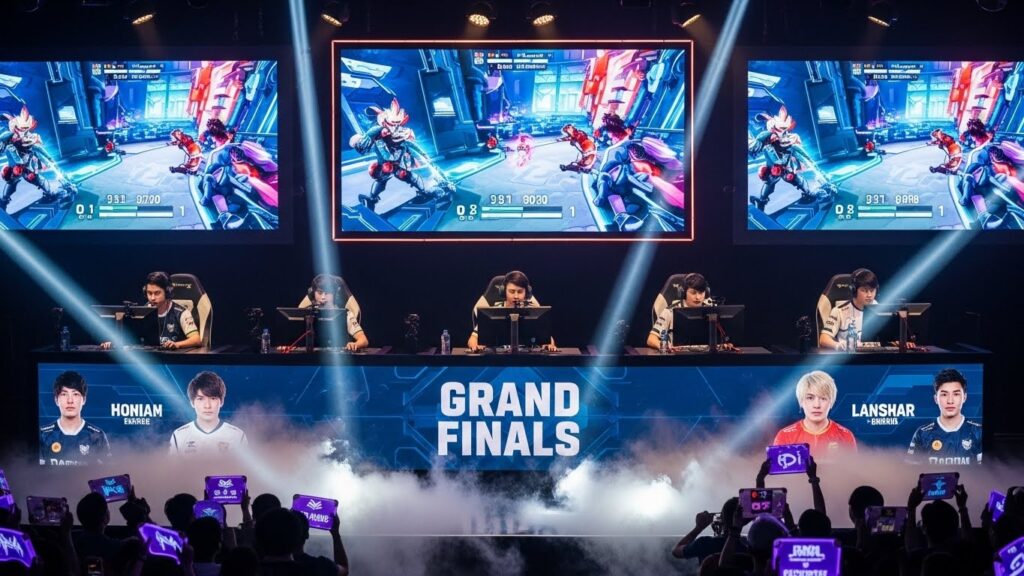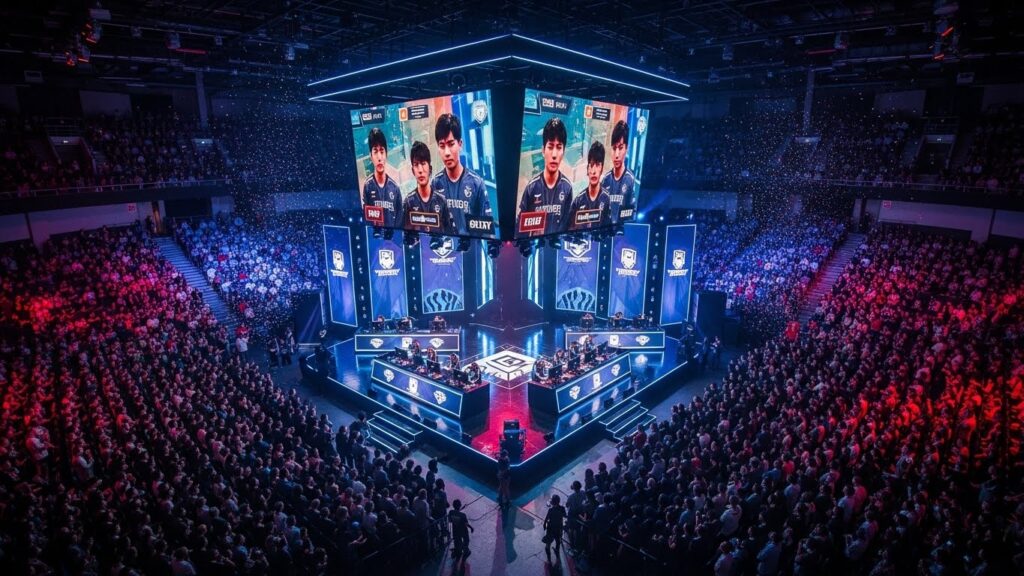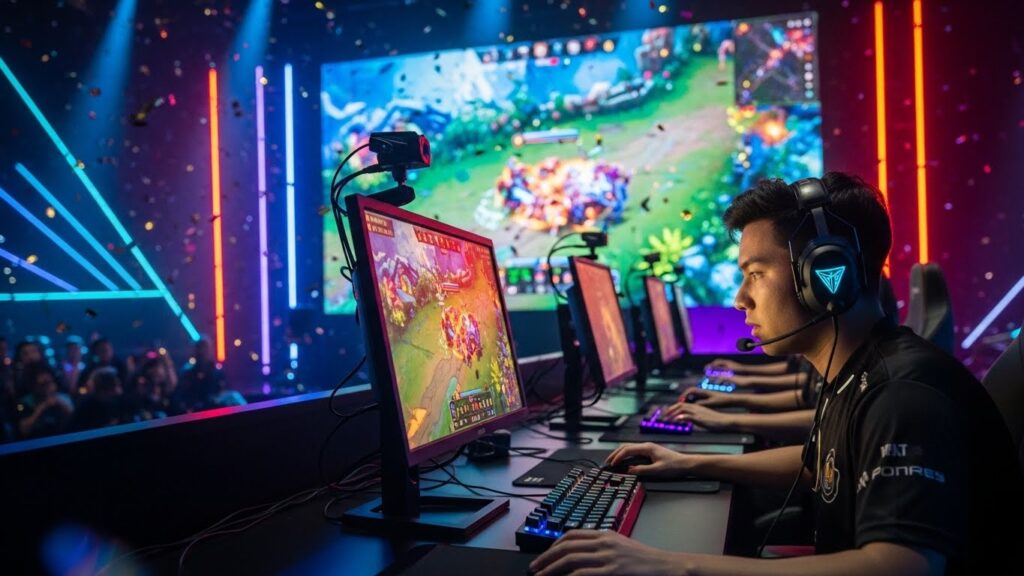
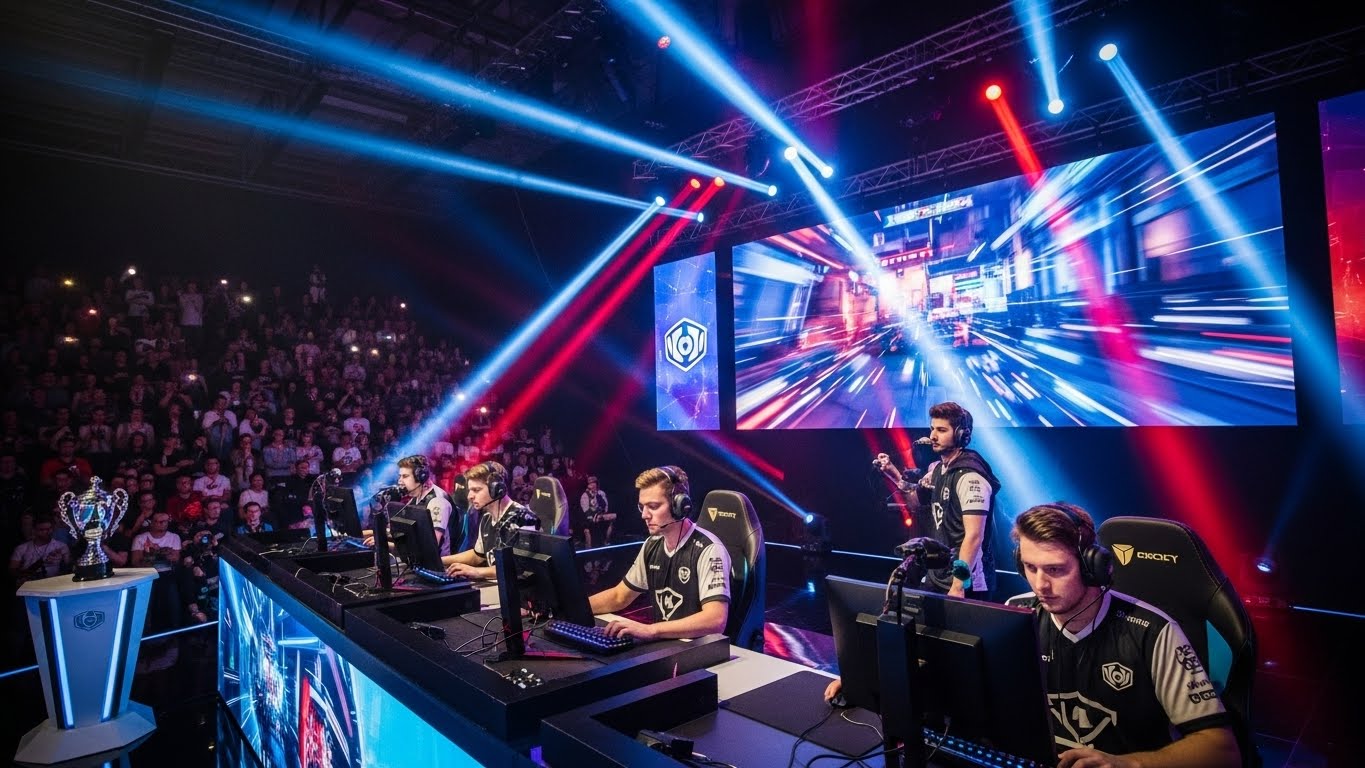
In the past two decades, the world of competitive gaming has undergone a transformation that few could have predicted. What was once considered a niche hobby has grown into a global phenomenon, captivating millions of fans and creating lucrative opportunities for players, organizations, and sponsors. Esports, or electronic sports, has redefined what it means to compete, merging technology, strategy, and entertainment in unprecedented ways. In this blog, we will explore the evolution of esports, its cultural and economic significance, the benefits and challenges it presents, and why it is shaping the future of sports and entertainment alike.
Understanding Esports
Esports refers to organized, competitive video gaming where individuals or teams compete in a variety of games, often for significant prizes and recognition. Unlike traditional sports, which rely primarily on physical prowess, esports combines quick reflexes, strategic thinking, communication, and teamwork. Popular esports titles range from multiplayer online battle arena games like League of Legends and Dota 2 to first-person shooters like Counter-Strike and Call of Duty, as well as sports simulations, fighting games, and strategy games.
The growth of esports is driven by several factors. The accessibility of gaming technology, the rise of high-speed internet, and the proliferation of streaming platforms have made it possible for millions of people to watch and participate in competitive gaming. This accessibility has expanded esports beyond its original demographic, attracting audiences of all ages and backgrounds.
The Evolution of Esports
The history of esports dates back to the 1970s when early arcade competitions were organized. However, it was in the late 1990s and early 2000s that esports began to take a more structured form, with tournaments and leagues offering monetary prizes. Games like StarCraft in South Korea became a national sensation, laying the groundwork for professional esports teams and dedicated training facilities.
The rise of platforms like Twitch and YouTube further accelerated esports growth by allowing fans to watch live competitions from anywhere in the world. Today, esports tournaments can fill arenas with tens of thousands of spectators, while online viewership reaches millions more. Professional players are treated as celebrities, with sponsorships, merchandise, and media appearances comparable to traditional athletes.
The Cultural Impact of Esports
Esports has developed its own unique culture that blends gaming, entertainment, and community. Fans engage not only with the games themselves but also with the personalities of players, commentators, and content creators. Online forums, social media, and streaming platforms have created communities where players share strategies, celebrate victories, and discuss trends, fostering a sense of belonging and identity.
This culture also promotes inclusivity and diversity. Unlike many traditional sports that may have barriers due to physical ability or geographic location, esports can be played by virtually anyone with access to a computer or console. International tournaments bring together players from different countries, highlighting global collaboration and cross-cultural competition.
Esports has also influenced mainstream entertainment. Major tournaments are broadcast on television, and esports personalities appear in advertisements, movies, and documentaries. Gaming conventions and fan expos celebrate the industry, further solidifying its place in popular culture.
Economic Significance of Esports
The economic impact of esports is staggering. Professional leagues, sponsorships, streaming revenues, merchandise, and ticket sales generate billions of dollars annually. Organizations invest in player development, coaching, marketing, and event production, creating an entire ecosystem similar to traditional sports industries.
Sponsorships from major brands, including technology companies, energy drink manufacturers, and apparel brands, have provided financial stability and legitimacy to esports. These partnerships not only fund tournaments but also expand the visibility of esports to mainstream audiences.
Furthermore, esports has created a wide range of career opportunities beyond professional playing. Analysts, coaches, event organizers, broadcasters, content creators, and marketing professionals all contribute to the industry. As esports continues to grow, these roles are becoming more specialized and professionalized, reflecting the maturation of the industry.
Skills Developed Through Esports
Participating in esports requires a combination of cognitive, strategic, and social skills. Quick decision-making, hand-eye coordination, multitasking, and pattern recognition are essential for success. Players must analyze opponents’ strategies, adapt to changing circumstances, and work as a cohesive team, developing leadership and communication skills.
Contrary to the stereotype that gaming is purely recreational, professional esports players train rigorously, often dedicating eight to ten hours a day to practice and analysis. This level of dedication fosters discipline, resilience, and time management skills, all of which are transferable to other areas of life, including academics, careers, and personal development.
The Social Benefits of Esports
Esports offers social benefits that are often overlooked. Online multiplayer games encourage collaboration, teamwork, and problem-solving. Players form friendships across continents, connecting with people who share similar interests. These social networks provide support, motivation, and a sense of community, especially for individuals who may struggle with traditional social interactions.
In educational settings, esports programs are increasingly recognized for promoting engagement, critical thinking, and collaboration among students. Schools and universities offer esports scholarships, clubs, and competitions, providing students with opportunities to develop skills in a structured and supportive environment.
Challenges Facing the Esports Industry
Despite its rapid growth, esports faces several challenges. The intense nature of competition can lead to physical and mental health concerns, including eye strain, repetitive stress injuries, sleep disorders, and burnout. Professional organizations are increasingly focusing on wellness programs, coaching, and balanced training schedules to address these issues.
Another challenge is the lack of standardized regulation and governance. While traditional sports have long-established rules and oversight bodies, esports is still evolving in this regard. Issues such as cheating, match-fixing, and player rights require clear policies and enforcement mechanisms to maintain fairness and credibility.
Esports also faces challenges related to public perception. Despite growing legitimacy, some people still view gaming as a pastime rather than a serious profession. Overcoming stereotypes and increasing awareness of the skills, dedication, and opportunities associated with esports remains an ongoing effort.
The Future of Esports
The future of esports is both exciting and promising. Technological advancements such as virtual reality, augmented reality, and artificial intelligence are poised to revolutionize gameplay and spectator experiences. Imagine watching a tournament where viewers can immerse themselves directly in the game world or interact with players in real-time.
Esports is also likely to see increased integration with traditional sports. Many professional sports organizations now sponsor or operate esports teams, bridging the gap between physical and digital competition. This synergy could further expand audiences and redefine what it means to be a professional athlete.
Education and professional development within esports will continue to grow. Universities are creating dedicated esports programs, offering courses in game design, esports management, broadcasting, and analytics. This formalization of esports education ensures that the industry will have skilled professionals to sustain its expansion.
Conclusion
Esports has evolved from a niche pastime into a global industry that influences culture, economy, and social interactions. It challenges traditional notions of sports, offering new opportunities for competition, community, and personal growth. From the dedication of professional players to the enthusiasm of millions of fans, esports has proven that competitive gaming is more than entertainment—it is a powerful platform for skill development, cultural exchange, and economic growth.
As technology continues to advance and the esports community expands, the industry’s potential seems limitless. Esports is not just the future of gaming—it is the future of competition itself, redefining what it means to strive, collaborate, and succeed in the digital age. For players, fans, and organizations alike, the journey of esports is only beginning, promising a world where the thrill of competition and the joy of gaming intersect in ways never imagined before.